
Every roof gets older differently and faces its own challenges from the weather. Sometimes, a roof just needs a small repair after a big storm.
Other roofs develop serious damage over time that a quick patch can’t fix. Knowing when to repair or replace your roof can save you money in the long run.
It also protects your home and your family from further damage down the road. We understand that this is a stressful decision for many homeowners to make.
You want to choose the most cost effective option without risking your home’s safety. This guide explains how professionals decide between repair and replacement.
Here is what you should consider before you approve your next roofing project.
Roof Repair vs Roof Replacement: What Is the Difference?
It is essential to understand what each service actually entails before you make a decision. Roof repairs address isolated problems that are affecting a specific area of your roof.
This might be a small leak that appears in the corner of a bedroom ceiling. It could also be a few missing shingles that blew off during a recent wind event.
Repairs are quick, targeted fixes best for newer roofs that are still in good shape. We make sure the new materials match your current roof for a consistent look.
However, a repair won’t fix the overall age or condition of your whole roof. It only works for small problems that haven’t spread.
Replacing your roof is a bigger job that gives your home a fresh start. We take off everything down to the wooden decking to check the structure underneath.
This means removing the shingles, underlayment, and flashing around vents and chimneys. We usually recommend replacement for roofs that are old or have major storm damage.
We also suggest roof replacement if there is widespread structural damage that repairs can’t fix. Replacing the roof lets us check for hidden rot or water damage you can’t see from above.
A new roof also comes with a warranty that covers materials and labor for many years. The hard part is figuring out which option is right for your situation.
That’s why getting a professional evaluation is important for making the best choice for your budget. If you haven’t had your roof checked recently, start with a full inspection.
This inspection will show the current state of your roof and reveal any hidden problems.
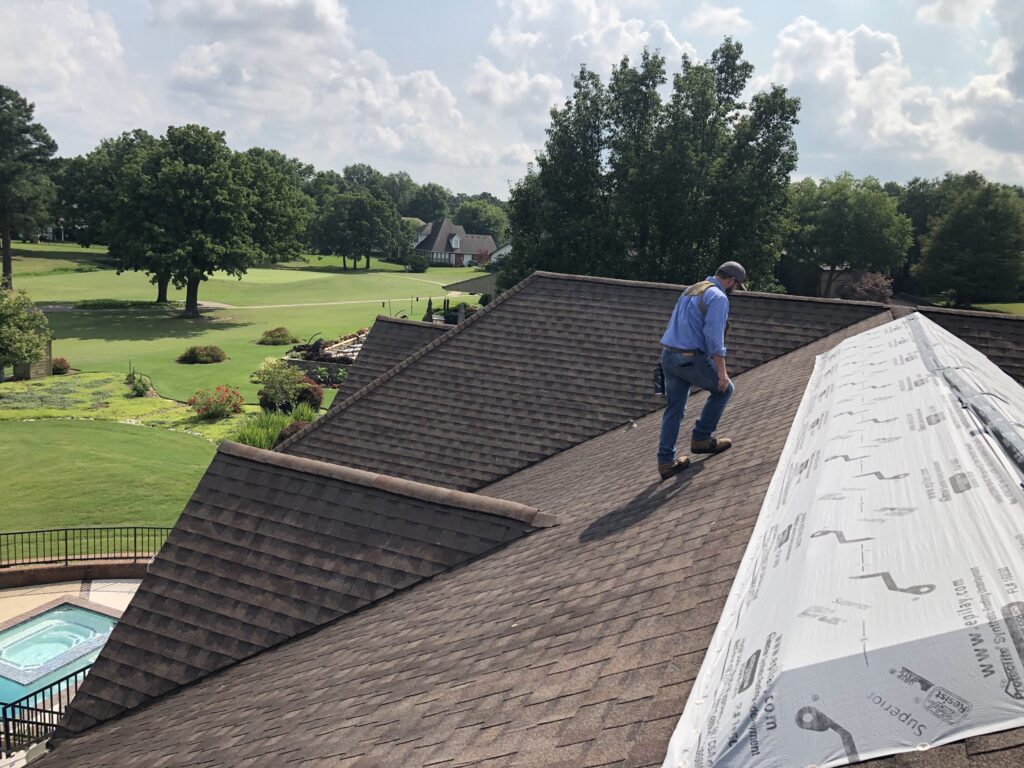
Signs Your Roof Might Be Beyond Repair
Certain indicators suggest that a simple roof repair will only delay the inevitable failure of your system. You might waste money in the long run by patching a failing system that needs to be retired.
We look for certain warning signs that show a roof is at the end of its life. Check for these signs on your own roof to see how it’s holding up.
Multiple leaks
Look for water stains inside your home after heavy rain. One leak could be a fluke, but several leaks usually mean there’s a bigger problem.
Water stains on your ceiling often mean water has gotten through several layers of your roof. This usually shows that the underlayment under the shingles is badly worn.
Extensive shingle loss
Check if your shingles are brittle and break easily. Good shingles should bend a little and handle wind and temperature changes without cracking.
If shingles snap easily, they’ve lost their protective oils and can’t shield your home anymore. Brittle shingles are more likely to blow off, even in light winds.
Widespread granule loss
Granules are the rough coating on top of asphalt shingles that give them color and protect them from the sun’s UV rays.
When granules wear off, the asphalt underneath is exposed and ages faster. You might see piles of granules in your gutters or at the bottom of downspouts.
Sagging sections
Soft spots on your roof often mean there’s rot underneath. This is a serious problem that a quick surface repair won’t solve.
It usually means moisture has gotten into the decking and weakened the plywood. Sometimes, you can see this from the ground as a dip in the roof line.
Age
Asphalt roofs that are more than 20 years old are often past their best years. Even if they look fine from the ground, they may be brittle and ready to fail.
Roofing materials wear out over time from heat, cold, and moisture. If you notice two or more of these problems, most contractors will suggest a full replacement.
Minor fixes may not hold up because the underlying decking is already compromised. Continuing to repair a dying roof often means throwing good money away.
When Is a Roof Repair the Right Choice?
Not every problem means you need a full replacement and the higher cost. If your roof is fairly new, a repair is often the best choice.
We consider a roof ‘young’ if it’s less than 15 years old and was installed properly. These roofs usually still have good shingles and underlayment.
Repair is also a good option if the damage is limited to one area, like flashing damaged by a fallen branch or debris. It also works for small leaks around a chimney or a worn out pipe boot. In these cases, repairs can fix the problem without a significant expense.
We can remove the damaged shingles and replace the compromised components underneath. A qualified roofing company can match materials to your current roof color and style.
This ensures the repair blends seamlessly with the existing system and does not look like a patch. We use specialized adhesives to bond the new shingles to the old ones securely.
We also look at the condition of the rest of the roof before recommending a repair. If the surrounding shingles are healthy, then a repair will bond correctly and seal out water.
You should always schedule a follow up inspection after a repair to ensure the moisture issue is gone. This confirms that the fix worked and that no secondary moisture damage remains in the attic.
Regular maintenance and timely repairs can extend the life of your roof by several years. It is the smartest financial move when the rest of your system still has life left in it.
Comparing the Costs of Repair vs Replacement
Repairs can range from a few hundred to a couple of thousand dollars depending on the scope. Replacements are a larger investment but deliver decades of protection.
We use the 50 Percent Rule to guide this critical financial choice. If repairs cost more than half the price of a new roof, then replacement is smarter.
Spending large sums on a roof repair for an old system is rarely cost effective. It is similar to putting a brand new engine into a car with a rusted frame.
You must also consider the hidden costs of keeping older materials in your home. Older shingles lose integrity and make future repairs less effective over time.
They also lack the energy efficiency features found in modern roofing materials. This means your heating and cooling bills might be higher than necessary during extreme weather.
A new roof adds value and improves buyer confidence if you plan to sell soon. Buyers often shy away from homes with roofs that look old or patched.
We recommend asking for a written estimate that compares both costs side by side. This provides the clearest picture for your specific budget.
Insurance and Storm Damage Considerations
Insurance claims often influence the decision between roof repair and replacement. Policies may cover damage caused by sudden storms that necessitate a replacement.
This applies if hail or wind created widespread failure across the entire roof. Your provider will look for evidence of sudden damage rather than normal aging.
You must document damage immediately with photos to support your claim. We help distinguish between normal aging and storm impact before you file.
Insurance usually does not pay for damage resulting from neglect or lack of maintenance. They focus on sudden events that were out of your control.
We work directly with insurance adjusters to ensure they see the full extent of the damage. We can meet the adjuster at your home to walk the roof with them.
This ensures that everyone is looking at the same damage and agreeing on the scope. Having an expert on your side ensures a fair assessment of your claim.
Frequently Asked Questions
How much does it typically cost to repair a roof?
Most homeowners spend between $500 and $2,000 on repairs, depending on the damage. The price depends heavily on the size of the repair area and the pitch of the roof.
Steeper roofs require more safety equipment and take longer to work on safely. Accessibility is also a factor if the damage is in a hard to reach area.
Does homeowners’ insurance pay for a leaky roof?
Insurance typically pays if the leak is caused by a covered peril like a storm. They usually do not pay if the leak is due to age or lack of proper maintenance.
What is the most common roof repair?
The most common repair is fixing leaks around pipe boots and vents. These rubber components often wear out faster than the asphalt shingles themselves.
What is the best time of year for roof repair?
Autumn is often the best time for repairs because of the mild temperatures. However, we perform emergency repairs year round to protect your home.
How many years before a roof needs to be replaced?
A standard asphalt shingle roof typically lasts between 20 and 25 years. This lifespan depends heavily on the quality of the installation and local weather conditions.
Metal or tile roofs can last significantly longer with proper maintenance and care. They are often rated for 50 years or more, but come with a higher upfront cost.
Making the Final Decision
Determining whether to repair or replace a roof is a financial and structural decision. It is not just a cosmetic choice about how your home looks.
Your roof is the first line of defense against the elements for your entire home. Ignoring signs of failure can lead to expensive water damage in your walls and ceilings.
Professional inspection data and accurate cost estimates should guide your choice. You need concrete facts rather than guesses when protecting your biggest asset.
A replacement protects your home and offers better value when repairs no longer deliver lasting results. New warranties often cover both materials and labor for a significant period.
This transfer of risk from you to the manufacturer is a significant benefit of replacement. We are here to help you navigate this choice with honesty and transparency.
Visit our Contact Page today to schedule your comprehensive roof evaluation. We look forward to helping you secure your home for the future.
0 Comments