
Northwest Arkansas often experiences severe weather like large hail. Strong hailstorms can severely damage your home, especially your roof. It can cause a dent in metal roofs, crack shingles, or chip and break tiles. When this happens, your first course of action is to secure your home’s integrity and insurance eligibility.
This guide will explain how hail can affect roofing, how to decide between a repair and replacement, and where insurance fits in.
What Hail Actually Does to a Roof
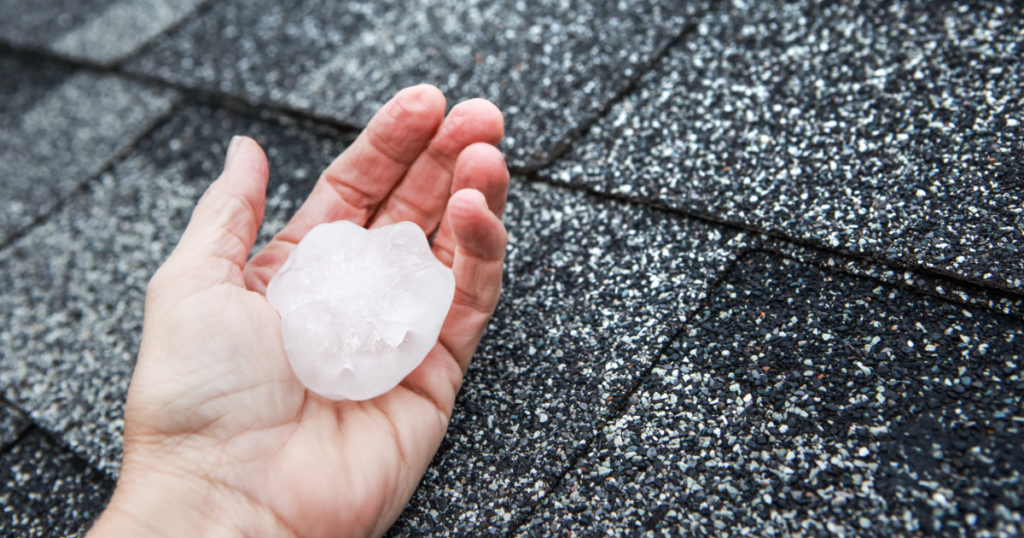
Whether large or small, hailstones can have a detrimental effect on roof life. When hail falls on your roof, it can easily remove or scrape any protective granules, cause cracks in shingles, and bruise the mat beneath, which can later lead to leaks and rot. Granule loss causes UV exposure on asphalt, leading to reduced flexibility, cracking, and premature aging.
Damage isn’t always visible on the surface. To keep your roof in top condition, have your roof inspected by a licensed professional to properly assess whether a repair or replacement is needed.
Do You Need Replacement or Just Repair?
Whether you need a simple repair or a full replacement depends on four factors: roof age, damage scope, material, and risk tolerance.
Newer roofs with minimal damage can be salvaged through economical repairs. This covers not only the shingle replacement but also underlayment, waterproofing, and flashing level. However, older roofs nearing the end of their service life might already need a full replacement.
If you’re still unsure whether you need a roof repair or replacement, get in touch with a licensed roof contractor to help you document the roof damage slope by slope.
Working With Insurance After Hail (the Right Order)
If this is your first time claiming an insurance policy, it might seem complex and overwhelming. Here’s the good thing: you can make this process seamless and stress-free by following these steps:
- Get a professional inspection and documentation. Contact a licensed roofing contractor for an initial inspection to help identify all affected slopes. Don’t forget to take photos of the damage, but avoid climbing on a broken roof.
- File your claim. After gathering photos of the damage and obtaining an inspection report, file for an insurance claim. State in your claim the affected slopes, a line-item estimate, and include the photos.
- Meet with the adjuster. When meeting with the adjuster, ensure your roofing contractor is also present at the site. They can point out the damage patterns that your adjuster might overlook.
- Review Coverage. Confirm with your insurance company the coverage of your policy. Things such as deductibles, ACV or RCV, cosmetic exclusions, and code upgrades can affect your budget.
Want to know more about the different coverage types and what’s typically included? Check out our quick guide on Roof Replacement and Insurance.
Why a Professional Roof Inspection Matters
Damage goes beyond hail marks or cracked shingles. A thorough inspection by a professional can identify damage that may not be visible from the ground, such as damaged decking, sagging, and compromised rafters. Your roofing contractor can provide a detailed, documented inspection to help align your estimate with what the adjuster approves.
The Roof Replacement Process After a Storm
You’ve documented damage, filed for a claim, and received a payout. Now what’s next? Here’s a simple guide on the roof replacement process after a hailstorm:
- Mitigate Damage. Avoid further damage by placing a temporary tarp on affected areas.
- Site Preparation. The first step is site preparation and protection. The contractor will set up dumpsters to collect scrap and set up tarps to protect the home from falling debris.
- Roof Tear-off and Repair. Old roofing materials, including old shingles, underlayment, and flashing, are removed. Exposed wooden decks that are damaged and rotting are replaced with a solid, safe foundation.
- Weatherproofing and Roof Installation. An ice/waterproof or water-resistant barrier, along with a drip-edge, will be installed in crucial areas to prevent leaks. Once new flashing is installed, new shingles, tiles, or metal panels are installed.
- Ventilation and Capping. After installation, your contractor will ensure proper ventilation is and capping is added. Having proper airflow will avoid mold growth, prevent leaks, and protect your roof from pests, prolonging its service life.
- Cleanup and final Inspection. For the final step, the crew will remove all debris. Magnets are typically used to ensure all loose and old nails are picked up from the roof and the yard. This is followed by a final inspection to ensure work quality and safety.
Frequently Asked Questions About Hail Damage
What Affects the Cost of a New Roof?
Roof replacement costs are a combination of different factors such as roof size, pitch, scope, and labor. If your roofs have additional or more complex details, including hips, valleys, dormers, and skylights, this may require additional work hours. For roofs damaged by storms, the extent of replacement needed also plays a huge role in driving up the costs. Opting for impact-resistant shingles is a more expensive choice that yields long-term savings when it comes to reducing future claims and insurance premiums.
Your homeowners insurance policy structure also affects how much money you’re paying. Schedule a free consultation or inspection to get an estimated price for your home.
How Long Does a Roof Replacement Take?
Overall, roof replacements typically take 1 to 3 days once scheduled. However, this turnaround time is subject to external factors like weather conditions and insurance milestones. It’s best to contact a roofing contractor who can pre-plan deliveries and crew sequencing to expedite the roof replacement process.
Preventing Future Hail Headaches
You never know when a disaster is going to hit, so it pays to be ready when it happens. Get in touch with a professional roofer to conduct regular maintenance inspections to see where you might need repair or replacement. Keep the roof and gutters clean to avoid clogs and leaks. If replacing the roof, choose impact-rated shingles that reduce cracking and bruising compared to standard options.
Key Insights on Hail Damage Roof Replacement
Severe weather conditions are inevitable, but damage is manageable if you are prepared. When hailstorms happen, document the damage and get in touch with a roofing contractor to help with construction and insurance. This will not only speed up the roof replacement process but also your insurance claim. With the right approach, you can handle any unexpected situations, keeping your home structurally safe.

0 Comments