
Seeing a roof intact after a storm gives most homeowners relief, thinking their roofs survived without a scratch. However, looking at roofs from the ground may not fully show how serious the damage is.
That’s why many homeowners struggle to determine when a repair is enough and when a storm-damage roof replacement is the smarter choice. Whether to repair or replace depends on several factors, including the severity of the damage, the age of the roof, and whether the roofing system can still adequately protect the home.
In general, roof replacement becomes the better option when storm damage is too severe and the structural integrity of the roof is compromised. If the damage is isolated and the roof is still in good condition, repairs are often enough.
Why Storm Damage Shouldn’t Be Ignored
Roofs in Northwest Arkansas are designed to withstand different types of storms, but every storm takes a toll. Strong winds can loosen shingles, hail can crack surfaces, and heavy rain can expose weak spots that might otherwise go unnoticed.
A few missing shingles may only be the surface level of damage, while underlying rot continues to weaken the roof structure. Water can work its way beneath shingles and underlayment, leading to leaks, mold growth, wood rot, and insulation damage over time. By the time you notice these issues, the damage may have already been extensive.
Even if you don’t see any obvious damage, it’s worth having a professional roof inspection after a storm. Early detection means more options and lower repair costs.
Ideally, homeowners should schedule a roof inspection within a few days after a severe storm. Acting quickly can prevent hidden damage from worsening and help simplify the insurance claim process if repairs are needed.
How Storms Damage Roofing Systems
Different types of storms can cause different types of damage.
Wind damage typically occurs when strong gusts of wind lift shingles or break their seal. Hail damage is often less obvious. Hailstones can knock granules off asphalt shingles, reducing their ability to protect against UV rays and moisture. Heavy rain can cause branches to fall and puncture roofing materials or damage flashing around chimneys, vents, and skylights.
In some cases, multiple types of damage may occur from one storm event.
When Roof Repairs May Be Enough
A full roof replacement is not always the better option. If the damage is limited and the roof is otherwise in good condition, repairs may be enough.
Repairs are often the right choice when:
- Only a small portion of the roof is affected
- The roof is relatively new
- Damage is isolated and hasn’t compromised the underlying structure
Repairing localized damage quickly can prevent it from spreading. However, if you’re repeatedly repairing the same spot after every major storm, it’s time to rethink a full roof replacement.
While individual repairs may seem more affordable upfront, repeated repairs can quickly add up over time. If your roof continues to sustain damage after each storm, it might be best to invest in a full replacement for better protection.
Homeowners should compare the differences between roof repair and replacement before making a decision.
Signs a Storm Damage Roof Replacement May Be Necessary
So, how bad is bad enough? While every roof is different, replacement is often recommended when damage affects multiple sections of the roof, causes leaks, or when repair costs begin approaching the value of a new roof.
Watch out for these signs indicating it’s time to consider a storm damage roof replacement.
| Warning Sign | Why It Matters |
|---|---|
| Missing shingles in different areas | Significant wind damage |
| Large hail impacts or bruised shingles | Reduced weather resistance |
| Multiple leaks | Water intrusion throughout the system |
| Soft spots or sagging sections | Potential structural damage |
| Frequent repairs (even after minor storms) | Ongoing deterioration |
| Roof age of more than 15–20 years | Materials may be nearing end of service life |
While a single warning sign may not necessarily need a replacement, several of these signs occurring at once usually indicate the roof can no longer provide protection.
Why Hail Damage Is Often Overlooked
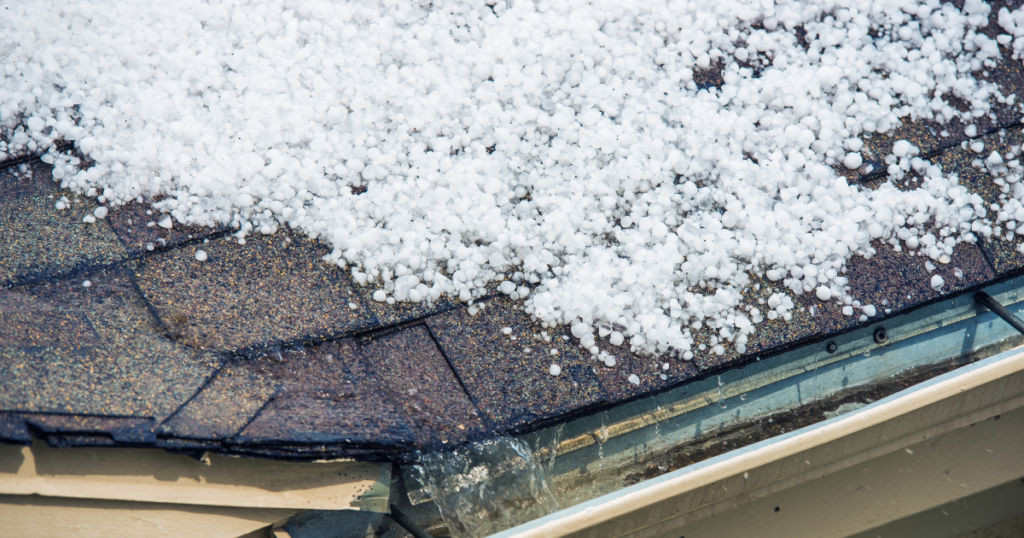
Hail damage may be subtle and barely noticeable; most homeowners fail to realize the extent of its damage until it’s too late.
Hail impact can weaken shingles even when there are no visible holes. Granule loss, bruising, and fractures can compromise the roof’s ability to shed water and withstand future storms.
Boston Mountain Roofing recommends having inspections after a hail storm, even when no leaks are present. Our professional roofers can walk you through hail-damage roof replacement and explain the common signs contractors look for during an assessment.
The Importance of a Professional Inspection
Since damage is not always superficial, a professional inspection provides an in-depth report of your roof’s actual condition. During an inspection, roofing professionals typically evaluate:
- Shingles, flashing, vents, and roof penetrations
- Signs of hidden moisture intrusion
- Decking and structural components beneath the roofing materials
Detailed inspections often include photographs and documentation that can support claiming insurance for storm-related damage. Schedule a free inspection with Boston Mountain Roofing today.
Understanding Insurance Coverage
After a storm, most homeowners want to know — will insurance cover the roof replacement costs?
In most situations, the answer is yes. However, this still largely depends on whether sudden storm-related events are covered by your homeowners insurance policies. The coverage generally applies to damages that affect the roof’s ability to protect the home.
It’s also important to note that natural wear and tear, aging, and poor maintenance are not covered by insurance.
Don’t Wait Until the Damage Gets Worse
So, how bad is bad enough?
If storm damage is limited to a few shingles or a small area, repairs are often sufficient. But when damage is widespread, replacement becomes the safer and smarter long-term solution.
The best way to determine whether your roof is repairable or needs a storm damage roof replacement is through a professional inspection.
Boston Mountain Roofing can give you a clear understanding of how these damages affect your home and how the roof replacement process works. This allows you to make better choices and protect your home before the problem becomes too expensive to fix.
Frequently Asked Questions About Storm Damage Roof Replacement
How Much Should I Budget for a New Roof?
For an average home in Northwest Arkansas, expect prices to range between $7,500 and $15,000 for architectural shingle roofs. The price can go up depending on factors like pitch/complexity, location, tear-off, and damage/rot.
If insurance covers roof replacement, your out-of-pocket costs may be limited to your deductible and any upgrades you choose beyond the approved scope of work.
How Do I Estimate Roof Replacement Cost?
The most accurate and reliable way to estimate roof replacement cost is through a professional roof inspection. Only licensed roofers can accurately assess your roof, the extent of the damage, and calculate costs based on roofing squares.
You can get multiple estimates from different contractors, allowing you to compare pricing, warranties, and recommendations before proceeding.

0 Comments